Cyber Innovation
Cyber is more than technology. An exploration of trust, sovereignty, workforce capability and the opportunities emerging at the frontier of digital resilience.
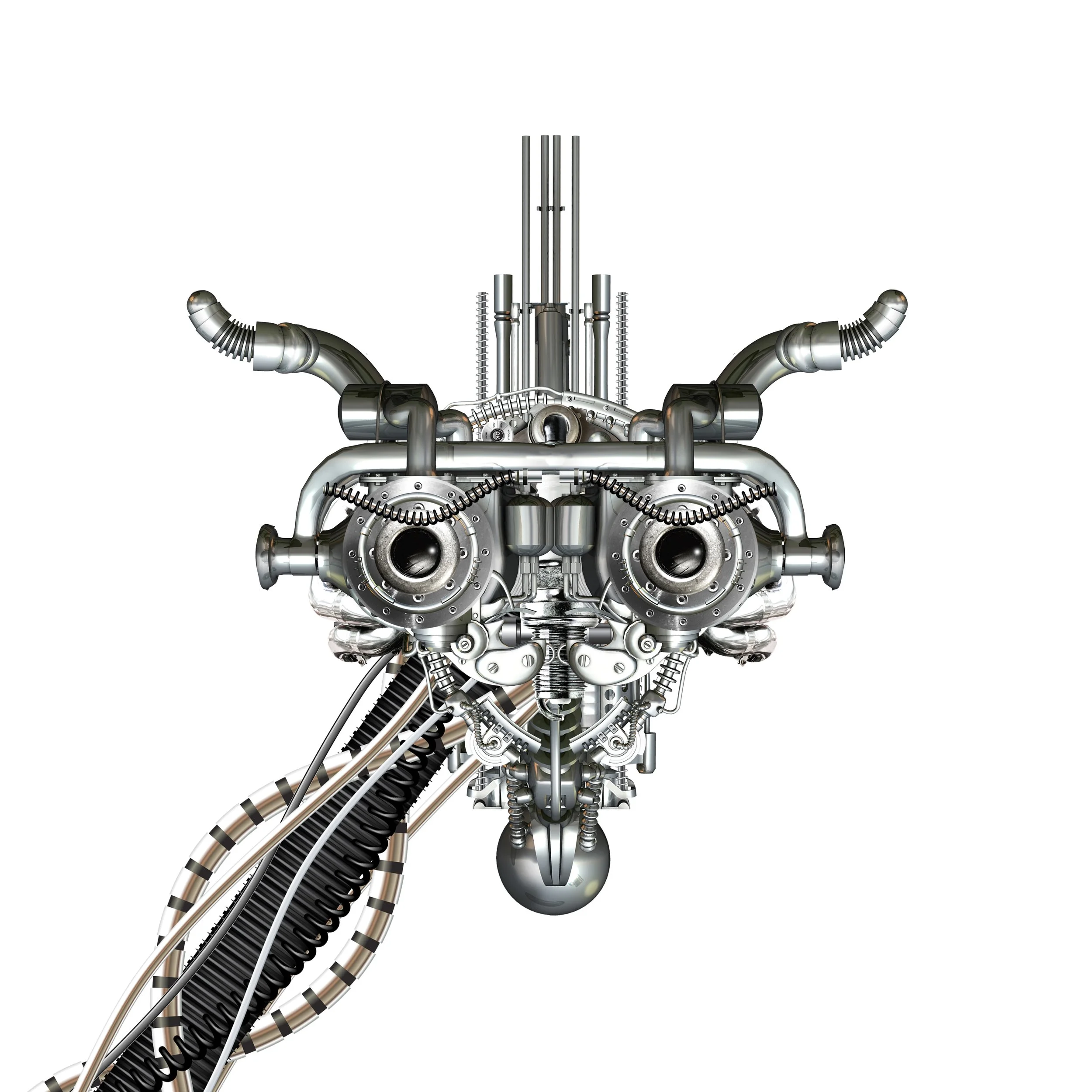
In the 12 months to March 2024, 78,000 people had their phones or bags snatched in the UK. Many devices ended up in far-away countries stripped for parts, resold, or more worryingly, mined for personal and financial data. You see the goal is to snatch your device while the screen is unlocked!
I happened upon this fact as part of a study-tour to the UK in late 2024 to look at the potential of cybertechnology as a strategic industry for advancing economic prosperity in NZ.
But let’s back up a moment – this story actually starts with a visit to New York’s SPY Museum (SPYSCAPE, NYC) 5 years earlier. This was where the connections between visitor experience, spying and economics was seeded. Once again, highlighting the power of museums and galleries to not just delight and inform but inspire and seed innovation.
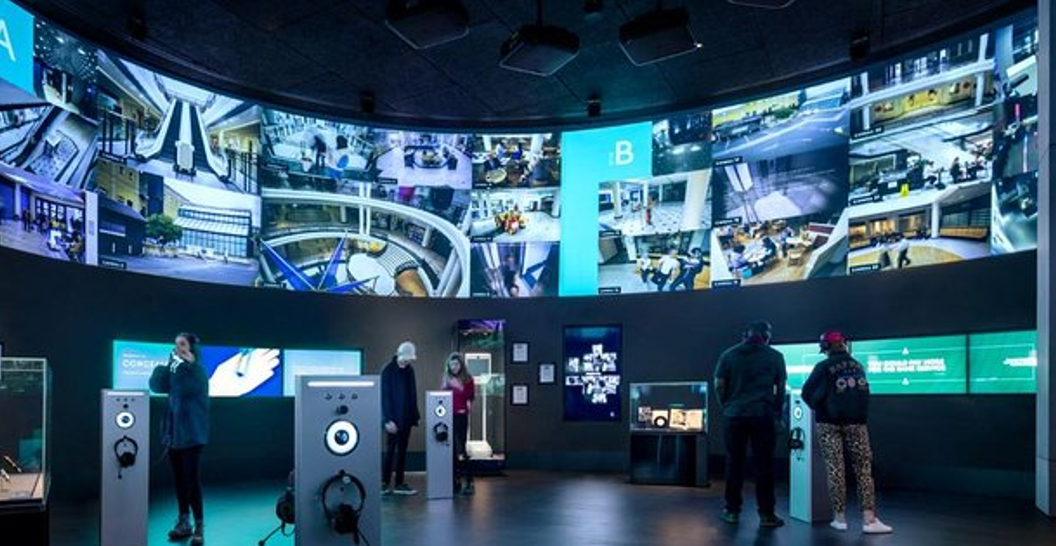
Spyscape, NYC
SPYSCAPE is a high-tech, immersive espionage playground designed to reveal your hidden potential for spy-hood through curated experiences.
The journey began with an RFID wristband and a briefing about the seven themed spy galleries—Encryption, Deception, Surveillance, Hacking, Cyber-Warfare, Special Ops, and Intelligence. Each theme blended historical narratives - from Enigma codebreakers to Stuxnet (one of the most sophisticated malicious computer worms ever discovered) with interactive missions designed by MI6 trainers and psychologists.
The experience is gamified: as you crack codes, run a laser maze (I failed this one), detect lies, or analyse surveillance. Your traits like empathy, pattern recognition, agility, and risk tolerance are tracked and at the end, the Debrief delivers a personalized "spy role". You could be a field operative intelligence analyst, or handler based on your performance. I don’t remember what I got but it wasn’t 007.
More recently, SPYSCAPE expanded with SPYGAMES, a team-based, adrenaline-charged extension developed with CIA and Special Ops experts. Here, visitors tackle high-energy challenges, code-breaking races, agility tests and cipher sequences in a cinematic, cooperative format.
Back to 2024
….. and I was thinking about AI, surveillance and other emergent technology including cyber security. What their impact would be and how could this space be harnessed to build a better future for Aotearoa.
I had also been following the career of my former colleague now working in Plexal Global – the UK’s cyber innovation partner. Emma and I worked together on the first Mahuki programme and she was now supporting hundreds of start-ups and industry partners in cyber security, space technology and related fields.
Plexal Global began as a legacy project from the 2012 Olympics, when the former media and broadcast centre was repurposed as part of the Here East innovation district to drive regeneration in East London. Today, the complex houses start-ups and scale-ups, runs national innovation programmes, and has even hosted autonomous vehicle trials. It sits within a creative cluster that includes the V&A’s East London presence and the Liverpool Media Academy co-owned by Robbie Williams which recently opened a state-of-the-art London campus on site.
Initially backed by the UK’s Ministry of Culture, Media and Sport, Here East was positioned as London’s base for rapid cyber advancement. Plexal has since secured programmes and contracts aligned with the national cyber security agenda — including work with Defence and MI6.
The other key place we visited was DISH — the Digital Innovation Security Hub — Manchester’s flagship response to cyber. Set up through a partnership between Barclays Eagle Labs, Plexal, the Greater Manchester Combined Authority, and GCHQ (Government Communications Headquarters) , DISH is designed to accelerate regional growth while delivering wider community benefit.
Their goals are ambitious: 500 start-ups and 1,100 jobs. They aim to get there by showcasing cyber careers to young people, offering social and business mentoring, and supporting the growth of both social enterprises and commercial ventures. Diversity is built into the model as a necessity. The cyber security sector knows that homogenous thinking is a weakness; resilience comes from drawing on a broader pool of talent and perspectives.
For us in Aotearoa, DISH feels familiar. Its regional regeneration focus mirrors our own place-based growth initiatives. It’s a reminder that investing locally can build capability globally.
The insights from visiting Plexal and DISH were immense. A reminder of how ubiquitous cyber has become, and how much possibility opens up when innovation, community, and resilience are designed into the system. This was brought home by this mic drop quote from one meeting -
“A secure society is prosperous, and a prosperous society is secure” - Saj Huq, Member of the UK Cyber Advisory Council and Chief Commercial Officer at Plexal Global
Why Cyber?
The scale of cyber is hard to overstate. Its impact is often measured not in what is lost, but in what is prevented. Globally, cybercrime cost an estimated $8 trillion in 2023. That number is projected to hit $10.5 trillion by 2025, and some forecasts put it as high as $24 trillion by 2027.
Closer to home, the risks are equally stark. According to Kordia’s 2024 New Zealand Business Cyber Security Report, nearly six in ten businesses with more than 50 employees experienced a cyber-attack or security incident in the past year.
For SMEs, CERT NZ reports that one in three suffered at least one attack in just the past six months. Internationally, governments are responding with tougher requirements — in the UK, for example, cyber accreditation is now mandatory for any organisation wanting to secure government contracts.
The scope of risk stretches from large corporates and public agencies through to individuals dealing with stolen credit cards or phishing scams. No one is immune.
Older adults and micro-enterprises are particularly vulnerable and USAID research shows that small firms with fewer than 100 staff are three times more likely to be targeted than larger businesses, and up to 60% close their doors within six months of a serious cyber-attack. The harm is not only financial. Cyber incidents disrupt business, erode trust, and can inflict deep personal costs from the shame of romance scams to the distress of identity theft.
Meanwhile, the technology stack is evolving at speed. AI, machine learning, and data analytics are giving organisations powerful new tools, but they also equip attackers with more sophisticated methods. The demand for skilled cyber leaders, people who can anticipate, defend, and design for resilience has never been greater.
For Aotearoa, the imperative is clear: cyber resilience is now a cornerstone of future economic stability.
For Māori, cyber is not just about protection it’s also about opportunity. It’s a chance to build economic resilience, strengthen enterprises, and open high-value job pathways for rangatahi in one of the world’s fastest-growing sectors. Data sovereignty is a critical issue, but just as important is ensuring that our commercial and cultural activities are safeguarded and that Māori can seize the commercial opportunities cyber presents.
We’re not alone. A growing Indigenous cyber network is forming with Native American, First Nations, and other Indigenous technologists amplifying sovereignty, sharing solutions, and shaping a global Indigenous presence in the digital domain.
For all New Zealander’s - We have a level of protection in Aotearoa that we should treasure and while we like to think of ourselves as tucked away at the edge of the world, cyber doesn’t respect geography.
Final words
Cyber reminds us that resilience is not just defence and not just offence, it is both. Innovation and creativity thrive when they are protected, just as national resilience depends on the imagination to anticipate and adapt.
The lesson from Plexal, DISH, our national security agencies and others in this space: defence shelters the seeds, and offence plants them where they can grow. In the interplay between the two lies not just survival, but the possibility of flourishing.
The other lesson is to follow your inspiration - stay curious and seek lots of opportunities to find out more about the world. The world will always be shaped by experts and those with deep knowledge in their field. But I think the future world will also need those who think differently, broadly and with fresh enthusiasm.